Return to the Roots: Why the Past Matters
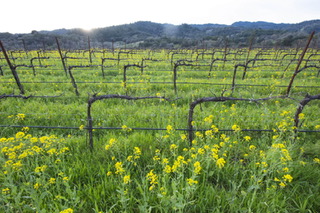
Mass production in the 20th century favored global varieties. While they offered stable yields, they erased local gems from the wine map. Today's renaissance of autochthonous (indigenous) varieties is not just a nostalgic trend. It is essential for maintaining natural balance. Authentic organic vineyards function as self-sustaining ecosystems where old vines resist climate change more effectively due to their deep root systems.
- Soil Memory: Ancient varieties perfectly reflect the specific terroir.
- Biodiversity: Monocultures weaken the landscape; varietal diversity strengthens it.
- Cellar Minimalism: These grapes require no chemical corrections; their character is naturally robust.
Unconventional Varieties You Must Taste
Step away from the classics and join us in exploring the hidden treasures of organic farming:
- 1. Refosco (Refošk): An ancient red variety native to Istria and Friuli. Under an organic regime, it yields dark wines with a wild character, notes of forest berries, and a firm acidity.
- 2. Saperavi: A Georgian gem and a rare "teinturier" (red-fleshed) grape. When crafted in organic amphorae (qvevri), it reveals incredible depth, a full body, and rich notes of blackberries and black pepper.
- 3. Malvasia: An ancient Mediterranean family of grape varieties. In organic quality, it offers everything from crisp, mineral whites to complex orange wines with rich notes of dried apricots and wild herbs.
- 4. Grillo: A Sicilian white variety that thrives beautifully in hot climates. Eco-conscious winemakers transform it into fresh, mineral-driven wines bursting with notes of citrus and sea salt.
A Story Hidden in Every Glass
When you drink wine made from unconventional, organically grown varieties, you aren't just drinking alcohol. You are drinking history, the dedication of a specific winemaker, and pure nature. Returning to the roots is a path toward sustainability and experiences with true depth. Choose pure wine with a clear origin at Organic Wines.